Remodelling Inherited Jewellery: A Guide to Giving Old Jewellery New Life
When Sentimental Jewellery Is Too Special to Sit in a Box
Inherited or unworn jewellery can often be remodelled into something new. Old gold, diamonds and sentimental pieces can be redesigned into bespoke jewellery by Park Road Jewellery.
Many people have a piece of inherited jewellery tucked safely away in a drawer. It may have belonged to a family member or someone very special to you. Or perhaps it is your own jewellery that is simply not your style anymore.
This is where remodelling can be such a lovely option.
Remodelling inherited jewellery gives you the chance to keep the sentiment of the original piece, while creating something new that you can actually wear and enjoy. It might be a ring that no longer fits, an old brooch, a pair of earrings, or even a collection of pieces with missing stones.
Rather than leaving them unworn, they can often be transformed into something personal, beautiful and full of meaning.
Remodelling jewellery can also be a very sensible option. A young couple getting married, for example, can dramatically reduce the cost of a new pair of wedding rings by bringing inherited jewellery into the workshop to be melted down and made into their own wedding rings. They not only have the sentimental value to treasure, but by providing the precious metal, they can also bring down the overall cost of the project.
What Does It Mean to Remodel Inherited Jewellery?
Remodelling inherited jewellery means taking an existing piece, or sometimes several pieces, and turning them into a new design.
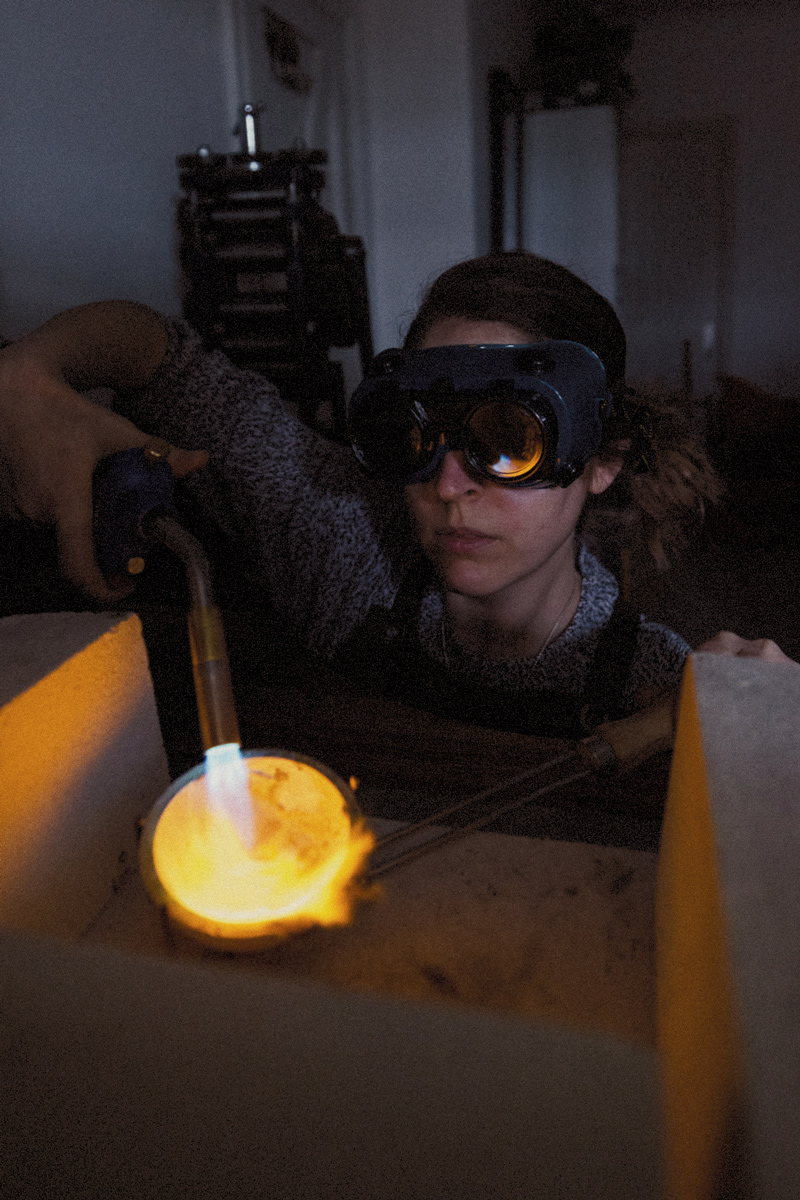
This can be done in different ways. We can carry out a complete transformation by melting down the precious metal and resetting diamonds or gemstones. Or, we can adjust small design details from the original piece and make it wearable again.
It does not always mean completely erasing what was there before. Sometimes the nicest remodelling projects are the ones that keep a little part of the original story. My aim is to create a piece of jewellery that feels like yours, while still holding onto the memory of where it came from.
Why Remodel Inherited Jewellery?
Inherited jewellery can be very emotional. It may have huge sentimental value, even if the style, size or condition means you would not wear it as it is.
A ring may be too small or missing vital gemstones. A brooch may not suit your style. Maybe your original engagement ring needs a refresh. Or you may simply have a piece that reminds you of someone you love, but it spends most of its life hidden away in a box.
Remodelling gives that jewellery a new chapter.
It allows you to keep the meaning, while making something that suits your own style and life now. For many people, this is the most special part of the process. The finished piece is not just new jewellery; it is about creating a connection to someone, or to an important place, through the memories held within it.
What Types of Inherited Jewellery Can Be Remodelled?
Many types of inherited jewellery can be remodelled, although each piece needs to be looked at carefully first.
You may be able to remodel:
- old gold rings
- wedding rings
- engagement rings
- brooches
- pendants
- earrings
- loose diamonds
- coloured gemstones
- broken jewellery
- unworn jewellery
Please do not worry if the jewellery is broken, worn or not in perfect condition. In many ways, these are often the pieces most ready for a new chapter.
A snapped chain, a single earring, a worn ring or an old setting can still hold useful metal or stones. The important thing is to bring the jewellery in so I can check it properly.
Not every piece can be remodelled in exactly the same way, but there is often more possibility than you might expect.
Can the Metal Be Melted Down and Reused?
In many cases, precious metals such as gold and silver can be melted down and reused in a new design. This can be a very meaningful way to carry the original piece forward.
However, it does depend on a few things, including the type of metal, the amount available, the condition of the jewellery, and what you would like the new piece to become. I will assess the jewellery during a consultation, and these are some of the things I am looking for.
Is the jewellery hallmarked?
This is important because the metal will be melted and refined. I need to be certain that the alloys present in the metal will melt and reform cleanly.
Is there any lead-based solder present?
Some older jewellery may have been repaired with lead-based solder. If this is present, I would need to cut out and remove any pieces contaminated with lead to ensure it does not contaminate the rest of the metal when melted.
For example, an old gold wedding ring may be suitable to melt down and form into a new ring, pendant or detail within another piece. If you only have a small amount of metal, it may need to be combined with fresh metal to make the new design strong enough.
I will always be honest about what your existing metal can and cannot do. Sometimes it can become the main material for the new piece. Other times, it may be better used as part of the story, with fresh metal added for strength and longevity. All extra metal provided by Park Road Jewellery will be sustainably sourced.
Different metals and different carats of gold also need to be treated carefully. It is not always as simple as melting everything together and starting again. The new piece still needs to be durable, wearable and properly made
Can Diamonds and Gemstones Be Reused?
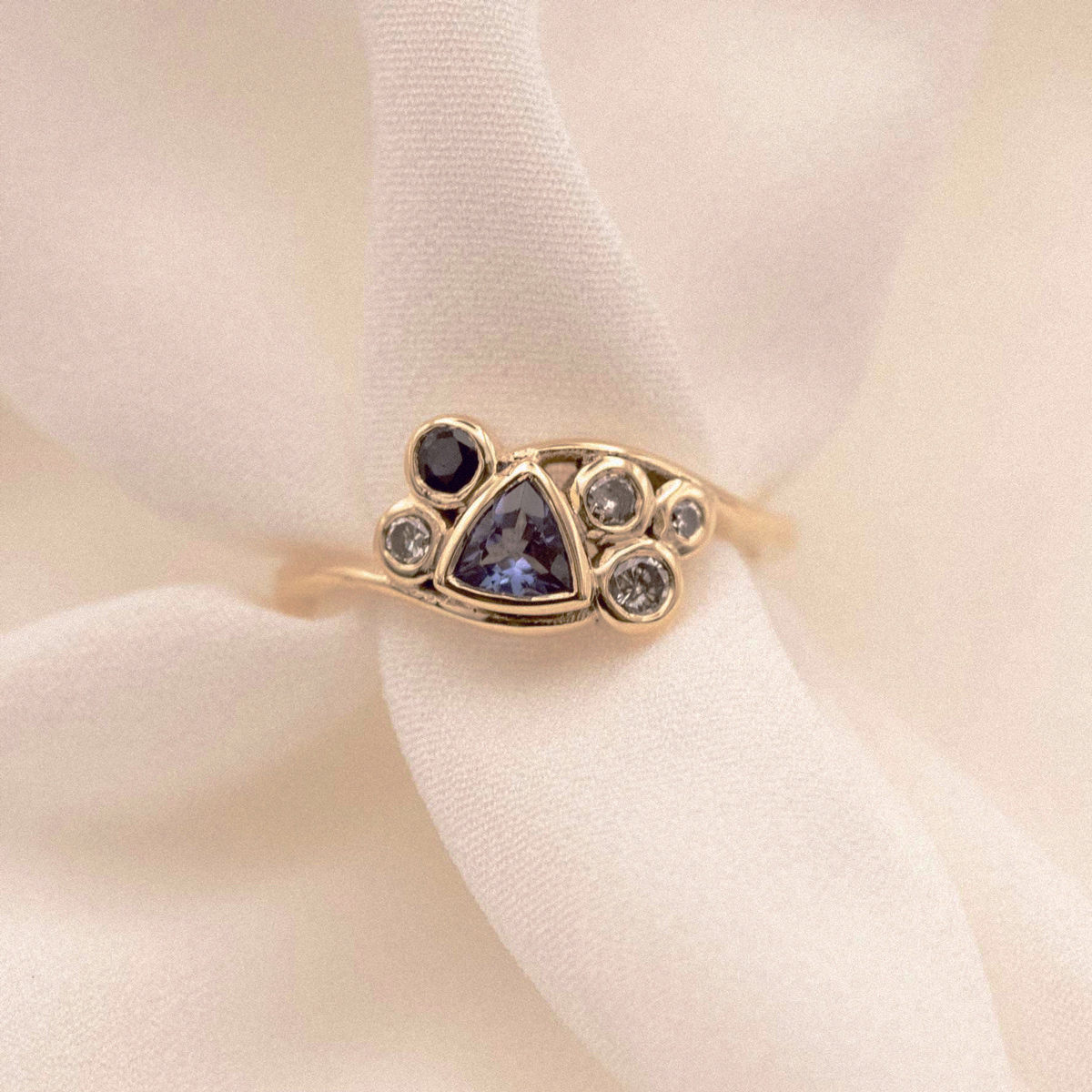
Yes, diamonds and gemstones can often be removed from old jewellery and set into a new piece. This is a very popular way to remodel inherited jewellery, especially when a stone has sentimental value. A diamond from an old engagement ring, for example, could become the centre stone in a new ring, or be set into a pendant so it can be worn every day.
One of my favourite things about the remodelling process is breathing new life into a diamond or gemstone. Simply cleaning a stone and changing the setting it has been in can completely transform how it looks. Many clients are shocked when they see how beautiful their original stone is.
Before reusing any stone, I would always check it carefully. Diamonds are very hard and durable, but they can still chip or show wear, especially if they have been worn for many years. When we discuss reusing coloured gemstones, there is always a risk when removing and resetting them, as many are much softer than diamonds. I will only recommend reusing a gemstone if it is damage-free and suitable for the process, such as sapphire, ruby or tanzanite.
Old settings can sometimes hide damage, so the stone needs to be assessed once it is removed. This helps make sure it is safe to reset and suitable for the new design.
Can I Keep Part of the Original Design?
Yes, and this can be a lovely way to make the new piece feel even more personal.
Remodelling inherited jewellery does not have to mean starting again completely. Sometimes the smallest detail is the most meaningful.
You may choose to keep:
- the original diamond or gemstone
- a section of engraving
- the shape or particular design of an old ring
- a setting style from the original piece
- the original metal
- a family stone as the centrepiece
For example, an old wedding ring could be melted down and used in a new band. A diamond from a ring could be set into a pendant. A piece of engraving could inspire a new design detail. Several stones from different family pieces could be brought together into one new item of jewellery.
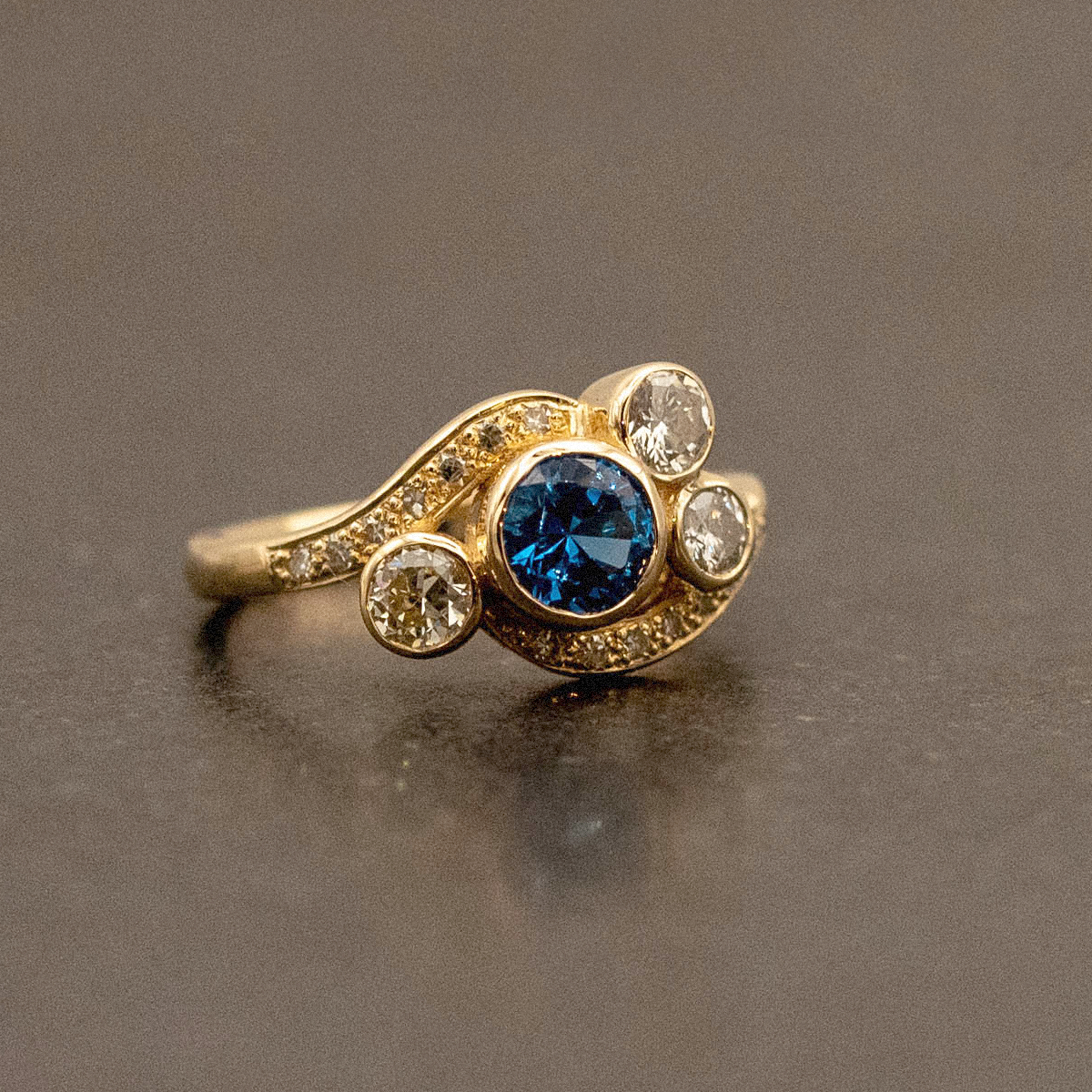
One of my favourite ways of combining old gemstones is to create cocktail rings, where we collect them together and set them in a modern style, like the examples below.
There are many ways to keep the memory of the original piece without having to copy it exactly.

How Does the Remodelling Process Work at Park Road Jewellery?
Every remodelling project begins with a conversation.
The first step is to bring the jewellery into the Park Road Jewellery workshop so I can look carefully at what you have. I will check for hallmarks, look at the metal, examine any stones, and assess the condition of the piece.
We will also talk about the story behind the jewellery, if you would like to share it. Who did it belong to? What does it mean to you? Is there anything about the original piece that you would like to keep? Is there anything you definitely do not like?
This part of the process is important. Remodelling inherited jewellery is not just about metal and stones. It is also about memory, feeling and creating something that sits comfortably with you.
From there, we can talk through design ideas. You may already know exactly what you would like, or you may have no idea where to begin. Both are completely fine. Sometimes the best ideas come from looking at the jewellery together and seeing what is possible.
I can sketch ideas, talk through practical options, and help you decide how the metal or stones could be used. Once the design is agreed, the new piece can be made carefully in the workshop.
What If the Jewellery Is Broken or Very Worn?
Broken jewellery can still be very useful.
A ring with worn claws, a snapped chain, a missing earring, a damaged brooch or an old pendant that no longer feels wearable may still contain precious metal or stones that can be reused.
Sometimes the damage is part of why remodelling is the best option. Rather than repairing the piece back to how it was, you can choose to turn it into something that suits you better.
Of course, the condition of the jewellery does affect what is possible. Very worn metal, damaged stones or fragile settings all need to be looked at carefully. But please do not assume that a broken piece has no future.
Some of the most meaningful remodelling projects begin with jewellery that has been sitting unworn for years.
Any unused or leftover gold from the process can also be used as payment against the cost of the remodelling process.
What Should I Bring to a Jewellery Remodelling Consultation?
If you are thinking about remodelling inherited jewellery, it is helpful to bring as much information as you can.
Here are some ideas of what to bring:
- the jewellery itself, even broken pieces
- any loose stones
- any certificates or valuations
- photographs, if they are meaningful to you
- inspiration images
- ideas of styles you like
- examples of styles you do not like
- a rough budget, if you have one
You do not need to arrive with a finished design in your head. That is something we can work through together.
Sometimes a customer comes in with a very clear idea. Other times, they simply know that they want to do something special with a piece of jewellery, but they are not sure what yet. Both are a good place to start.