
What Is a Jewellery Hallmark and Why Does It Matter?
When you look closely at a piece of precious metal jewellery, you may notice a tiny stamped or laser-marked symbol hidden somewhere on the piece. It might be inside a ring, on the back of a pendant, or near the clasp of a chain.
This mark is called a hallmark, and although it may be very small, it tells you something very important about your jewellery.
A jewellery hallmark helps confirm what precious metal your piece is made from. It gives you reassurance that the metal has been independently tested and that it meets the legal standard for the metal it is being sold as.
In simple terms, a hallmark is a bit like a birth certificate for your jewellery. It helps tell the story of what the piece is made from, who submitted it for hallmarking, and where it was tested.
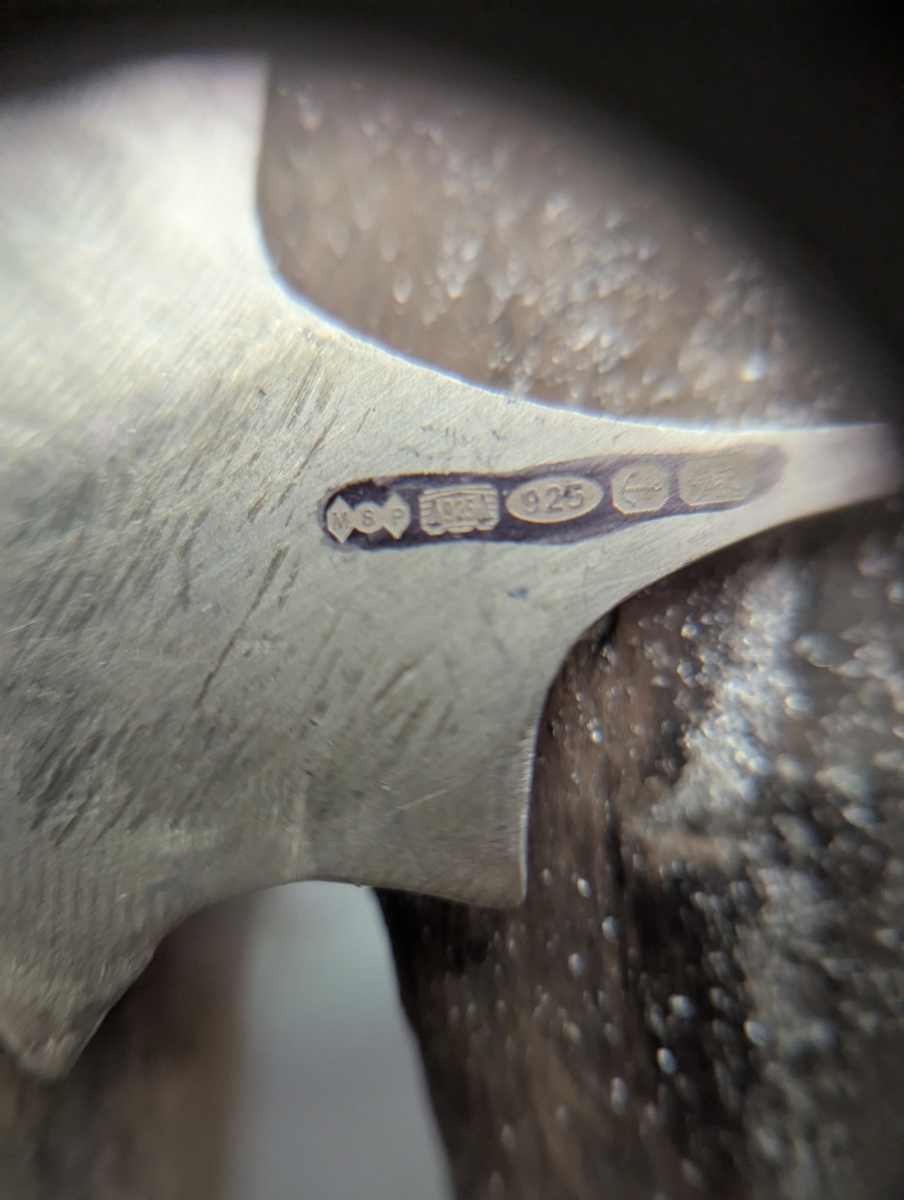
What Is a Hallmark?
A hallmark is an official mark applied to precious metal jewellery after it has been checked by an Assay Office. It confirms that the metal has been independently tested and meets the required standard of fineness, or purity.
For example, if a ring is sold as sterling silver, the hallmark helps show that it really does meet the sterling silver standard. If a piece is sold as 9ct gold, 18ct gold, platinum or palladium, the hallmark helps confirm that too.
A hallmark is not just a decorative stamp. It is an important consumer protection mark. Gold, silver, platinum and other precious metals are not always easy to judge by eye, especially once they are polished, so hallmarking can give you the confidence that the jewellery is genuinely what it says it is.
Hallmarks can be applied in different ways. Some are struck into the metal using a traditional punch, while others are applied by laser. The method used often depends on the piece of jewellery, the design, the metal and how delicate the item is.
Why Does Jewellery Need to Be Hallmarked?
Jewellery is often bought for very special reasons. It might be an engagement ring, a wedding ring, a birthday gift, a sentimental remodel, or a piece made to mark an important moment in your life. When you are buying something meaningful, you deserve to know exactly what you are paying for.
Hallmarking matters because it gives an independent check on the metal quality. It helps protect you from being misled and supports trust between the jeweller and the person buying the piece.
It is especially important with precious metals such as gold, silver, platinum and palladium. These metals have different values, different purities and different properties. A hallmark helps confirm that the item meets the correct legal standard for the metal it is described as.
For me, hallmarking is part of making jewellery properly. It is one of those small behind-the-scenes details that helps give you confidence in the finished piece.
Is Hallmarking a Legal Requirement in the UK?
In the UK, precious metal jewellery must be hallmarked if it is described and sold as silver, gold, platinum or palladium and is over the legal exemption weight.
The current UK hallmarking weight thresholds are:
- silver: 7.78g and over
- gold: 1g and over
- palladium: 1g and over
- platinum: 0.5g and over
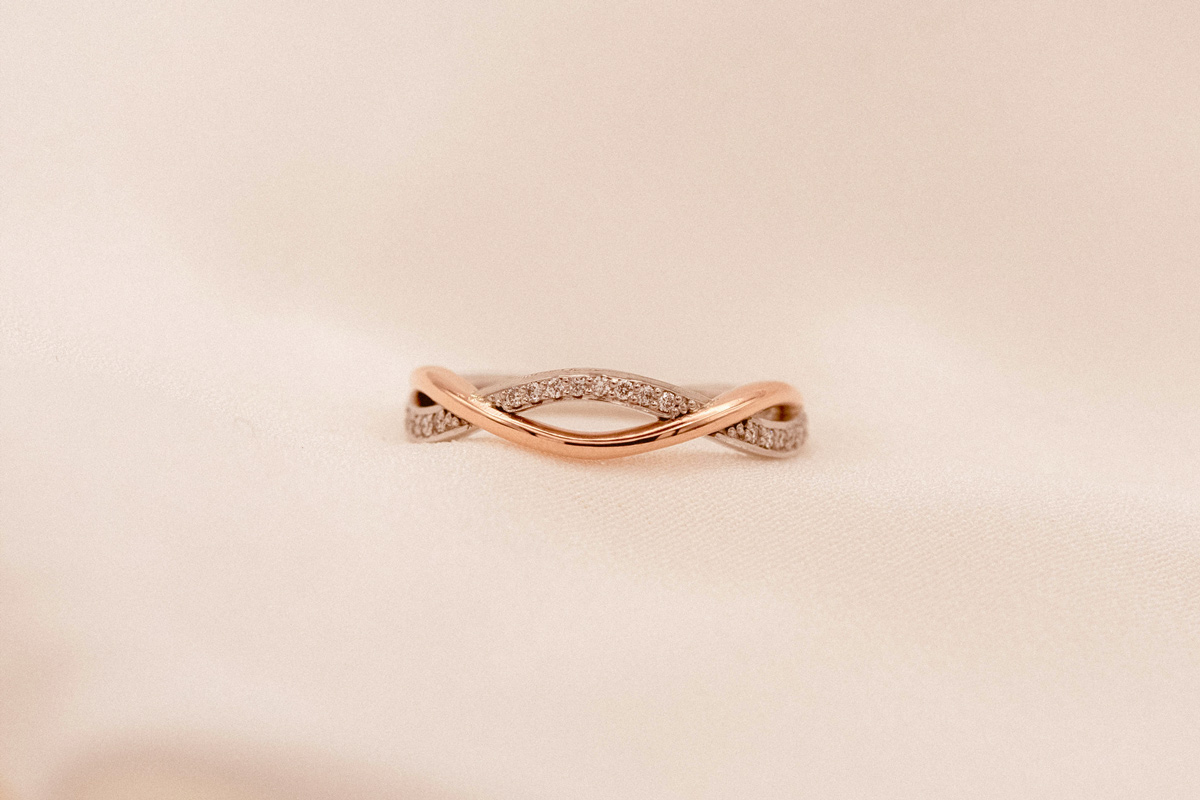
This means that not every smaller piece of jewellery legally needs a hallmark. A delicate pair of small silver studs, for example, may be under the weight requirement, so they may not need to be hallmarked. Instead I would apply a stamp myself. A heavier silver bangle, gold ring or platinum wedding band will require one.
It is also worth knowing that the weight threshold refers to the weight of the precious metal, not the total weight of every added element. If a piece contains stones, those are not counted as precious metal weight.

What Is an Assay Office?
An Assay Office is an independent organisation that tests precious metal items and applies hallmarks.
This means the jewellery has not simply been marked by the jeweller themselves. It has been independently checked to confirm that the metal meets the standard it is being sold as.
The Assay Office tests the metal, confirms the fineness, and then applies the appropriate hallmark. This helps give you confidence in what you are buying
Using the Birmingham Assay Office is a small but important part of my making process. After a qualifying piece has been made and finished, it is sent away to be checked before it goes to its new home.
Why Might Some Jewellery Not Have a Hallmark?
If you cannot find a hallmark on a piece of jewellery, it does not automatically mean anything is wrong.
There are a few reasons why jewellery may not have a visible hallmark.
The most common reason is that the piece may be under the legal weight requirement. Very small or delicate pieces, especially lightweight silver earrings or fine chains, may not legally need to be hallmarked.
Sometimes the hallmark may simply be in a discreet place and hard to spot without magnification. Try looking inside rings, on the back of pendants, near the clasp of a necklace or bracelet, or on a small tag attached to a chain.
Another reason is wear. On older jewellery, hallmarks can become softened or difficult to read over time, especially on rings that have been worn every day for many years.
Can Heirloom Jewellery Be Hallmarked Again?
Yes, in many cases, heirloom jewellery that has been remodelled into a new piece can be hallmarked again.
If you bring inherited or sentimental jewellery into the Park Road Jewellery workshop, I will always look carefully at any existing hallmarks before work begins. These marks can give useful information about the original metal.
Most of my previous clients choose to not have their newly remodelled pieces hallmarked, but this is something we can discuss, to see what suits you best.
Remodelling inherited jewellery can be a very special process. It allows you to carry the memory of the original piece with you, while creating something new that can be worn and loved again.
How to Check a Hallmark on Your Jewellery
If you would like to check your own jewellery for a hallmark, start by looking in the most common places.
On a ring, the hallmark is usually inside the band. On a pendant, it may be on the back or on the bail. On a necklace or bracelet, it is often near the clasp or on a small attached tag.
You may need a magnifying glass, phone camera zoom or jeweller’s loupe to see it clearly. Hallmarks are very small, and on delicate pieces they can be especially difficult to read.
Please do not worry if you cannot make it out yourself. Even jewellers often need magnification to read tiny or worn hallmarks properly.
If the piece is old, the marks may have softened with wear. If it has been resized, repaired or polished many times, the hallmark may be less clear than it once was.
If you would like a piece of jewellery made, remodelled or checked, you are very welcome to get in touch. I will be happy to talk you through the process and help you understand the marks on your jewellery.