
A guide to pearl jewellery
Pearls never go out of style. Their elegance lies in their simplicity, making them a timeless accessory for any occasion. With endless ways to wear them and countless outfits they enhance, I have created an easy guide to help you learn more about the world of Pearls.
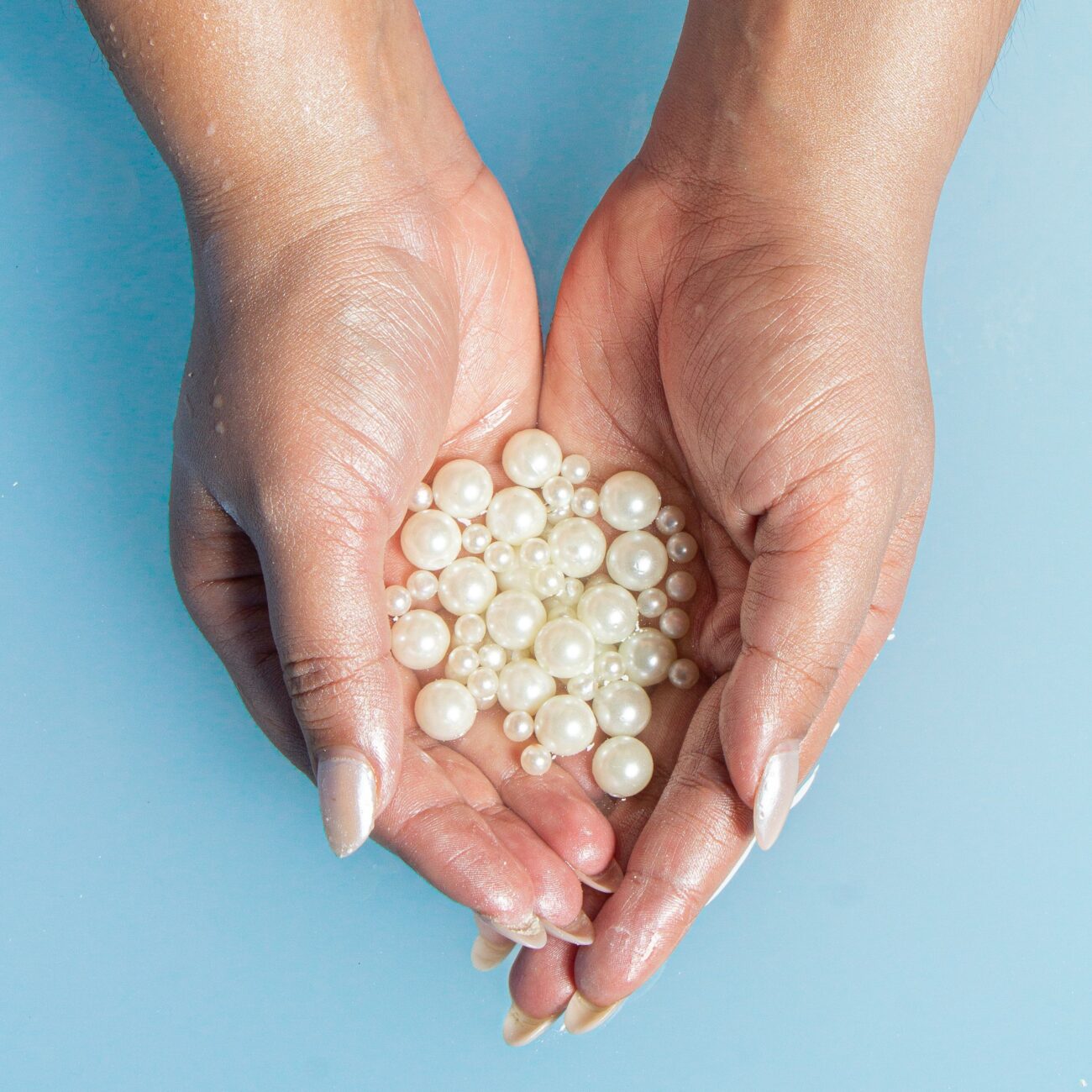
What is a pearl?
Pearls are formed inside the shells of certain oysters. They’re created when an irritant, such as a tiny particle of sand, or other particle enters the mollusc’s shell and triggers a response to protect the oyster inside. The oyster then creates layers of nacre around the irritant, gradually forming the stunning pearl. Historically they have always been prized for their natural beauty, the most loved being used as adornments in pearl jewellery. Similar to other precious gems, no two natural pearls are exactly alike, making each one as special as the person who wears it.
What Is the Difference Between Real and Fake Pearls?
Here are a few tips on how to tell if pearls are real or fake:
– Fake pearls will feel plastic like to the touch, if you gently rub two real pearls together, they have a natural gritty texture
-Real pearls are completely unique, if they look too regular, and exact in their shape and colour, they are probably too good to be true!
-Real pearls have incredibly dense structures due to their many layers. This will make them feel heavier then fake pearls
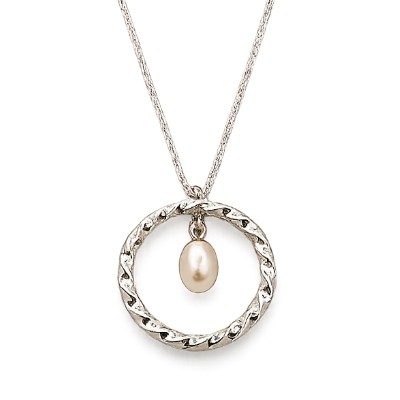
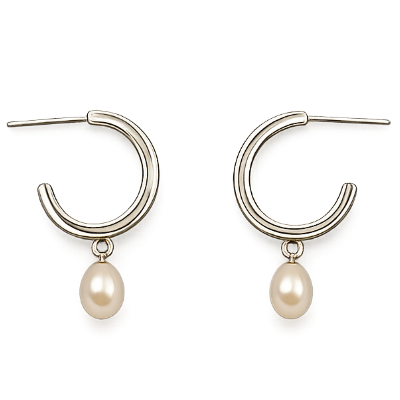
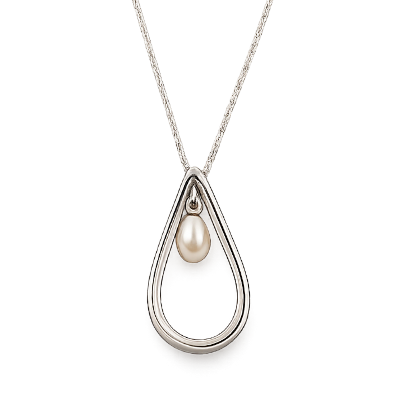
The difference between freshwater pearls and saltwater pearls
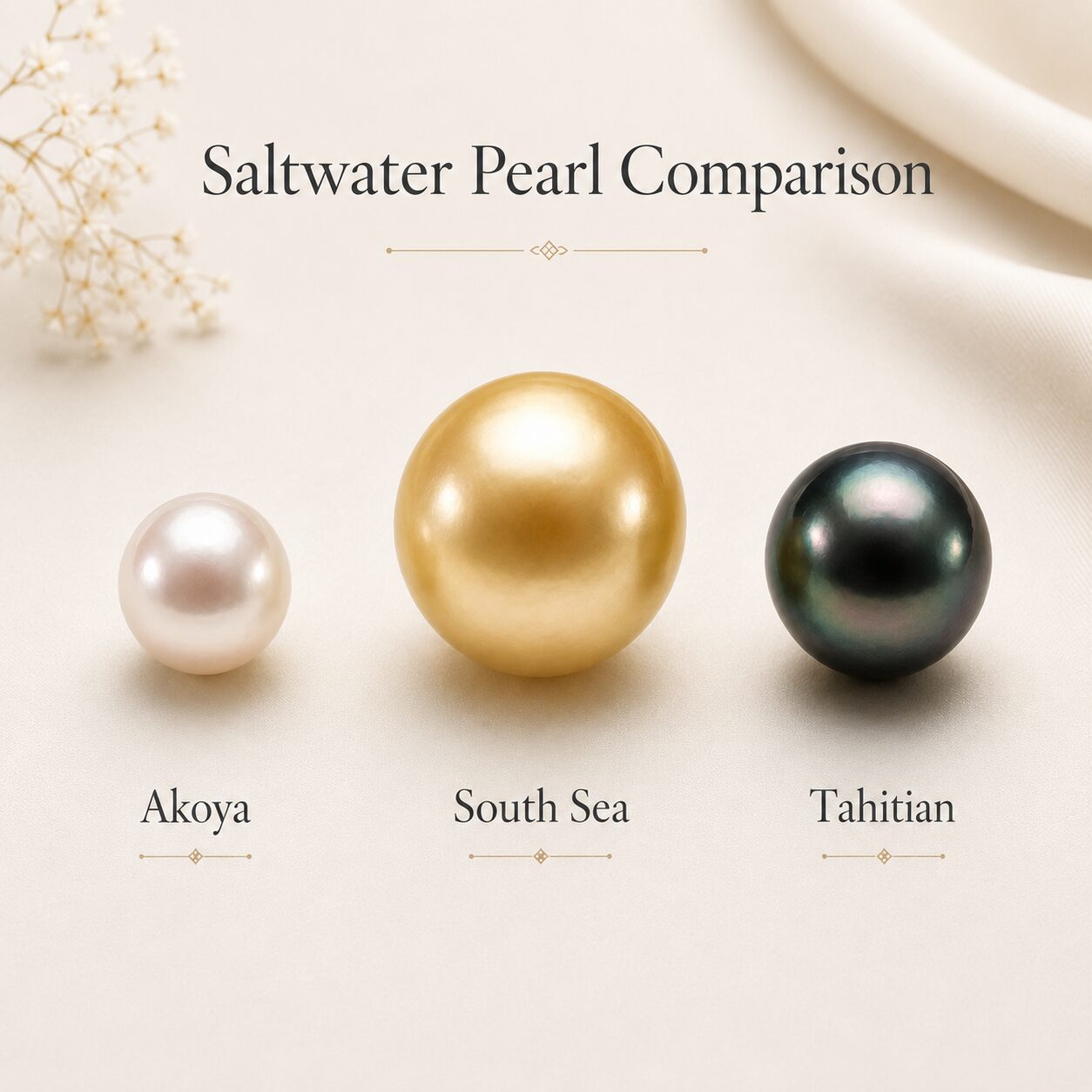
Defining attributes of Salt water pearls
Pearls are harvested from three salt water oysters-
- Akoya – Japanese. The smallest but the most perfectly formed, most common in white and peach
- South Sea– Australian. The largest encompassing gold, white and silver tones
- Tahitian – medium in size with a dark inky black to green tones
- The interior scaffold that starts the pearl process in each oyster is a small round bead, made from crushed oyster shells. This ensures saltwater pearls have a more perfect round shape.
- They have a richer lustre as the pearl takes much longer to grow than freshwater
- Although pearls can be dyed, they get their natural colour from the exact area in which they form in the shell,
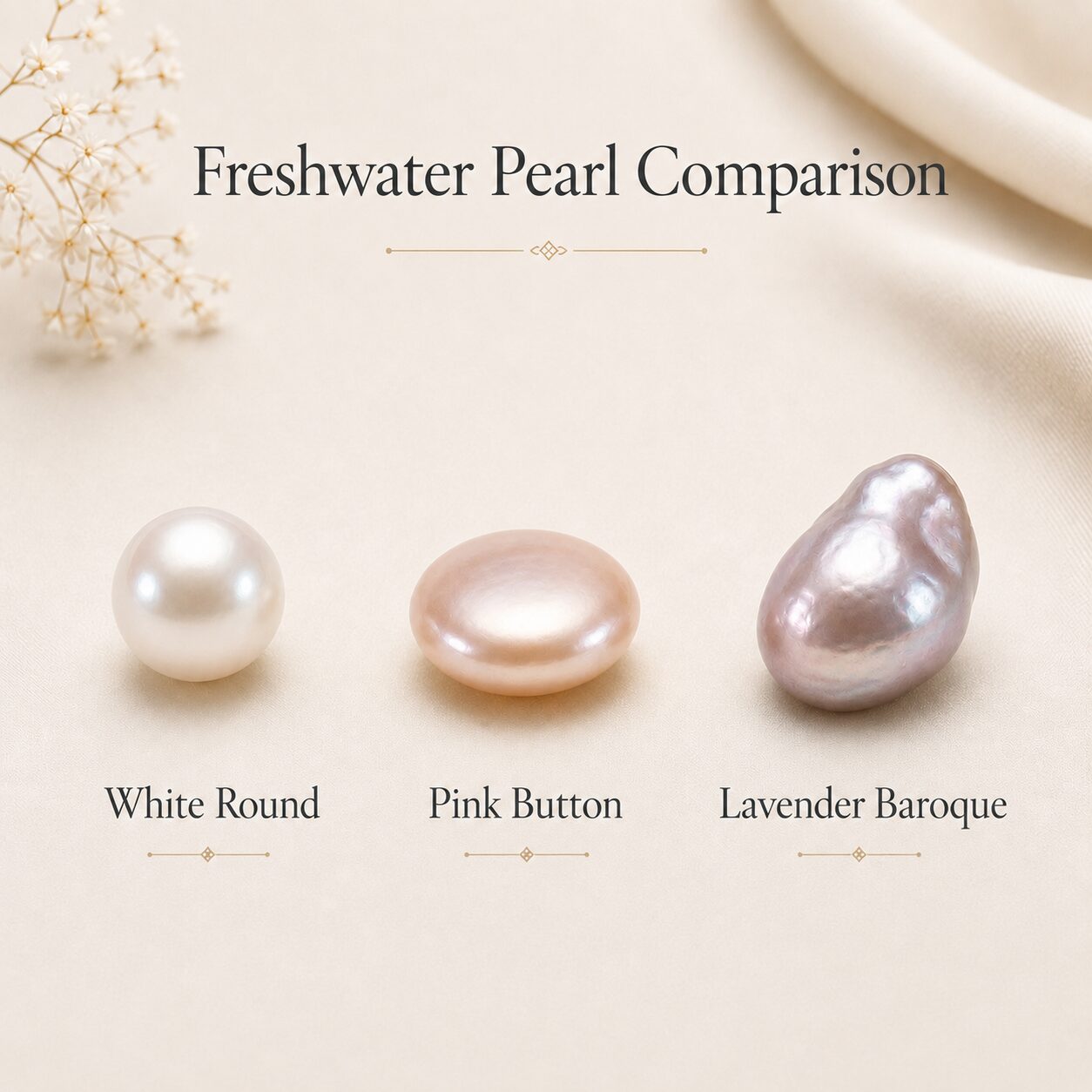
Defining attributes of freshwater pearls
-Freshwater pearls, are grown in lakes or specially made ponds, mainly grown in China
-The freshwater oyster can grow up to forty pearls at one time, they also form quicker than saltwater pearls. This makes the freshwater pearl cost effective
-The natural colours of the pearl range from pink, gold, white and silver due to how many colours naturally occur in the shell.
-they are not started with a bead, but rather a small piece of the pearl mantle, which allows more exquisite shapes, such as disk, teardrop and baroque, to form naturally

How to Care for Pearls
Caring for pearls is crucial to preserving their natural beauty and ensuring their long-lasting appeal. Here are some tips to help you maintain their lustre for a lifetime
Avoid Chemicals
Pearls are sensitive to substances like perfume, hairspray, and cleaning products. Be sure to apply these items before wearing your pearls and let them dry thoroughly.
Proper Storage
Store pearls in a soft pouch or a jewellery box with a lined interior to prevent scratches or damage. It’s best to keep them separate from other jewellery.
Gentle Cleaning
After wearing your pearls, wipe them gently with a soft, damp cloth to remove oils and dirt. Never use harsh cleaners or scrub too vigorously.
Wear Them Often
Wearing pearls regularly helps keep them moisturized since the natural oils from your skin enhance their shine.
Avoid Water
Although pearls can resist some water, extended exposure to saltwater or chlorinated water can damage them. Always remove pearls before swimming or showering.
Restring Regularly
If you own a pearl necklace or bracelet, it’s wise to have it restrung periodically. The silk thread can wear over time.
Get in touch to to have your pearls restrung and get them looking good as new