
A Guide to Precious Metals Used in Jewellery
When choosing a special piece of jewellery, or beginning a bespoke project, the metal you select is one of the most important decisions you will make.
Each precious metal has its own character, colour, durability and care requirements. Let me help you feel confident about your choice by sharing some knowledge from the world of precious metals. But first things first, the most important place to begin is,
What Are the Main Precious Metals Used in Jewellery?
Sterling Silver
Sterling silver is the most affordable of the main precious metals, making it a wonderful choice for collecting jewellery or creating larger, more sculptural designs.
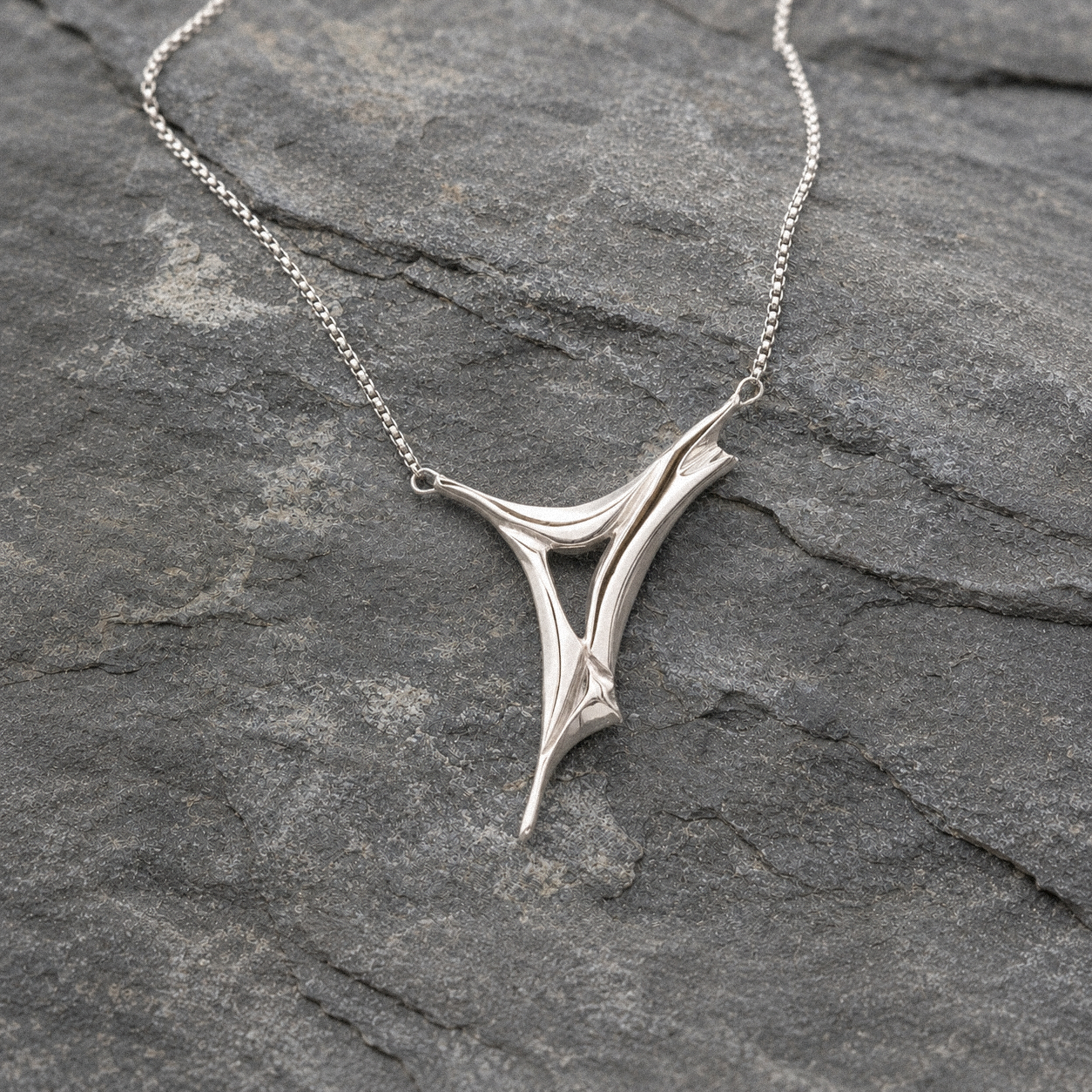
Its accessibility also gives designers greater freedom to explore bolder forms and heavier pieces, such as those in our Glacier Range.
Colour
Sterling silver is highly reflective and has a bright, clean white tone. Although it can tarnish over time, it can usually be restored easily with a polishing cloth.
Composition
Sterling silver contains 925 parts silver per 1,000, with the remaining 75 parts made up of other metals, most commonly copper. This creates an alloy that is suitable for everyday jewellery while retaining silver’s beautiful appearance.
Silver is softer than gold and platinum, so although it is durable for many styles of jewellery, it may not always be the best option for rings that receive substantial daily wear, such as engagement rings.
Why Does Sterling Silver Tarnish?
You may have worn a silver necklace once, placed it back in your jewellery box, and found months later that it has become darker or even black in places.
This is completely normal. Sterling silver reacts with sulphur compounds in the air and in everyday products such as perfume, creams and lotions. This reaction causes the surface of the metal to oxidise.
The good news is that tarnish is usually easy to remove. A gentle clean with a silver polishing cloth will restore your jewellery’s shine.
Gold
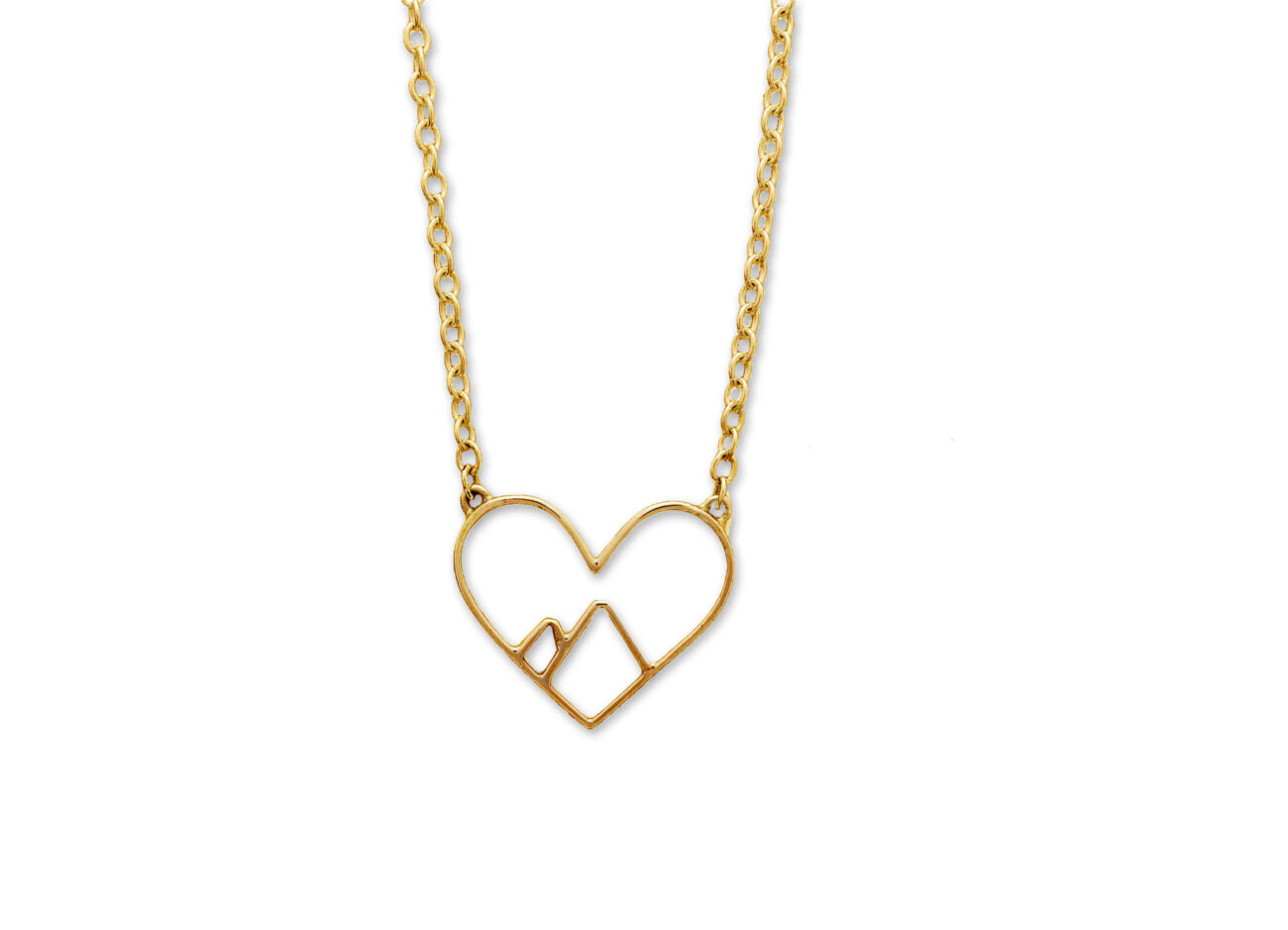
In its pure form, gold has a rich yellow colour. However, pure gold is too soft for most jewellery, so it is alloyed with other metals to improve its strength and durability.
By adjusting these alloy metals, jewellers can create different colours of gold, including yellow, rose and white gold.
Rose Gold
Rose gold gains its warm pink tone from copper added to the alloy.
White Gold
White gold is created by alloying gold with white metals, commonly including palladium, silver, zinc.
Gold
In its pure form, gold has a rich yellow colour. However, pure gold is too soft for most jewellery, so it is alloyed with other metals to improve its strength and durability.
By adjusting these alloy metals, jewellers can create different colours of gold, including yellow, rose and white gold.
Rose Gold
Rose gold gains its warm pink tone from copper added to the alloy.
White Gold
White gold is created by alloying gold with white metals, commonly including palladium, silver, zinc.
What Is a Gold Carat?
When discussing gold jewellery, a carat, often written as ct, describes the proportion of pure gold in the alloy. Let’s break down the different options I use in the workshop;
9ct Gold
9ct gold contains 375 parts of pure gold per 1,000. The remaining 625 parts are made up of alloy metals.
18ct Gold
18ct gold contains 750 parts pure gold per 1,000. The remaining 250 parts are alloy metals, which may include copper, silver, zinc or palladium.
The higher the gold content, the richer the colour and the greater the intrinsic value of the metal. 18ct will likely be double the cost of 9ct, due to it having double the gold content. 18ct will also be heavier and more durable as it is a denser alloy.
Why Does My White Gold Ring Look Tarnished?
White gold is not naturally bright white. Depending on the alloy, it often has a soft grey, or slightly warm tone.
Many white gold pieces are finished with a layer of rhodium plating, which gives the jewellery a bright, polished white appearance. Over time, particularly on rings, this plating can wear away and reveal the natural colour of the white gold underneath.
I usually recommend having white gold rings polished and re-plated every one to two years, depending on how often they are worn. This can be carried out in the Park Road Jewellery workshop.

Platinum
Platinum is often considered the hero of precious metals. It is typically 950 parts pure platinum per 1,000, with the remaining alloy metals often including ruthenium, iridium or cobalt.
It is exceptionally dense, strong and naturally white in colour. Platinum is also highly resistant to tarnishing, making it an excellent choice for everyday jewellery, particularly engagement rings and wedding bands.

